
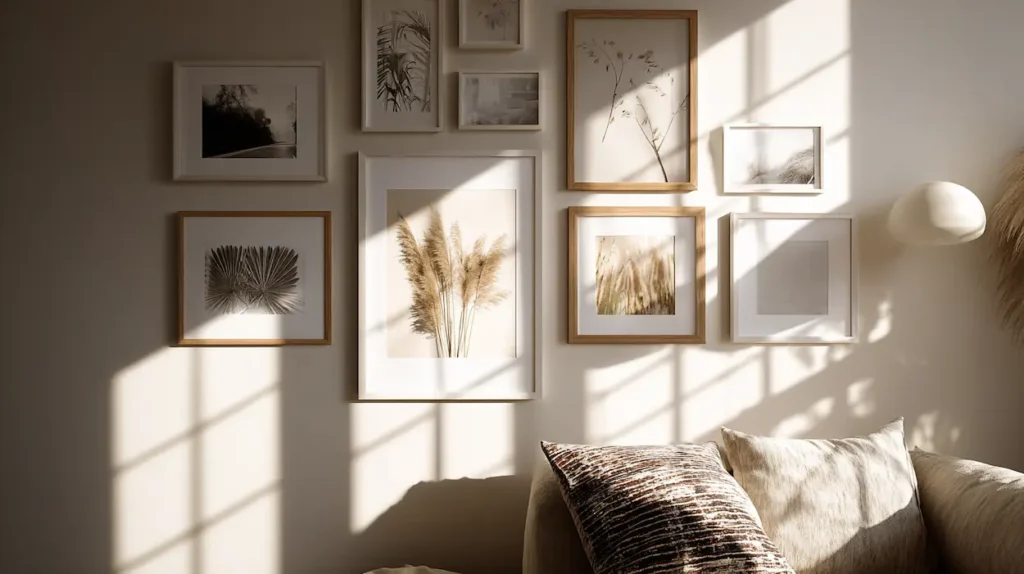
There is a moment every interior goes through.
The furniture is there.
The light is right.
And yet… something feels unfinished.
That moment almost always lives on the wall.
Hanging wall art isn’t about filling emptiness.
It’s about revealing intention.
And when you understand a few simple visual principles, even the most intimidating blank wall becomes an open canvas.
This guide isn’t about rules you must obey.
It’s about visual comfort.
Flow.
And letting art breathe in your space.
Hanging wall art becomes much easier when you already have a clear plan. Knowing how many frames you’ll use and how they relate to each other prevents unnecessary holes and adjustments. If you’re working with multiple pieces, starting with a gallery wall planner is a smart move.
Hanging wall art transforms a blank wall into a visual anchor
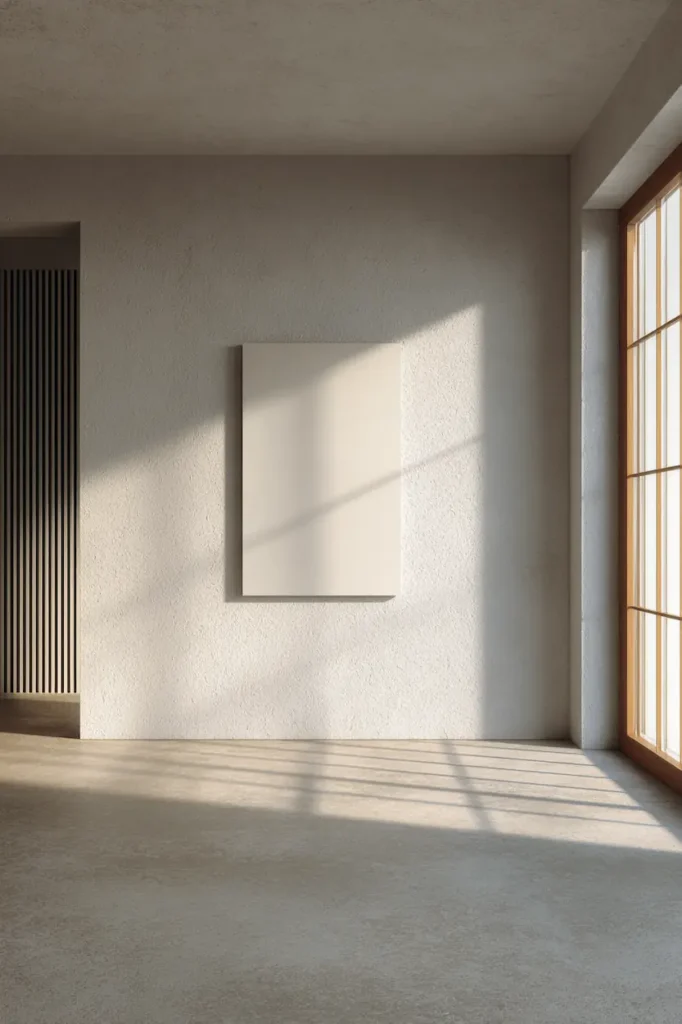
A wall without art is silent.
Sometimes that silence is peaceful.
But often, it feels unresolved.
Wall art gives the eye a place to rest.
It anchors the room emotionally.
The key for beginners isn’t quantity.
It’s clarity.
One well-placed piece does more than five hesitant ones.
Before you hang anything, stand still.
Look at the wall.
Ask yourself one thing:
What do I want this wall to make me feel?
Calm.
Creative.
Grounded.
Inspired.
That answer matters more than the art itself.
The height of wall art changes everything
This is where most beginners hesitate.
And where the biggest visual mistakes happen.
Art hung too high floats away from the room.
Too low, and it feels heavy.
A simple visual truth:
Art should meet the eye, not escape it.
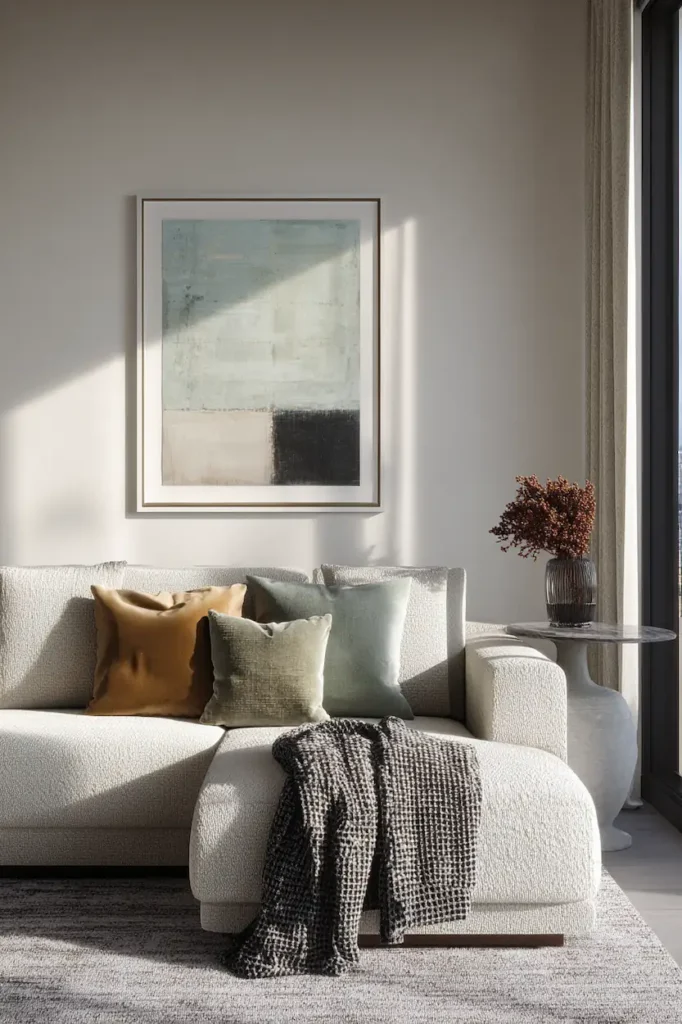
Imagine the center of your artwork aligning naturally with your gaze when you stand or sit comfortably in the room.
Above furniture, art belongs to that furniture.
Not hovering over it.
Not pressing against it.
Leave breathing space.
But keep the relationship clear.
The wall, the art, and the furniture should feel like one sentence — not separate thoughts.
One piece can be more powerful than many
Gallery walls are beautiful.
But they are not mandatory.
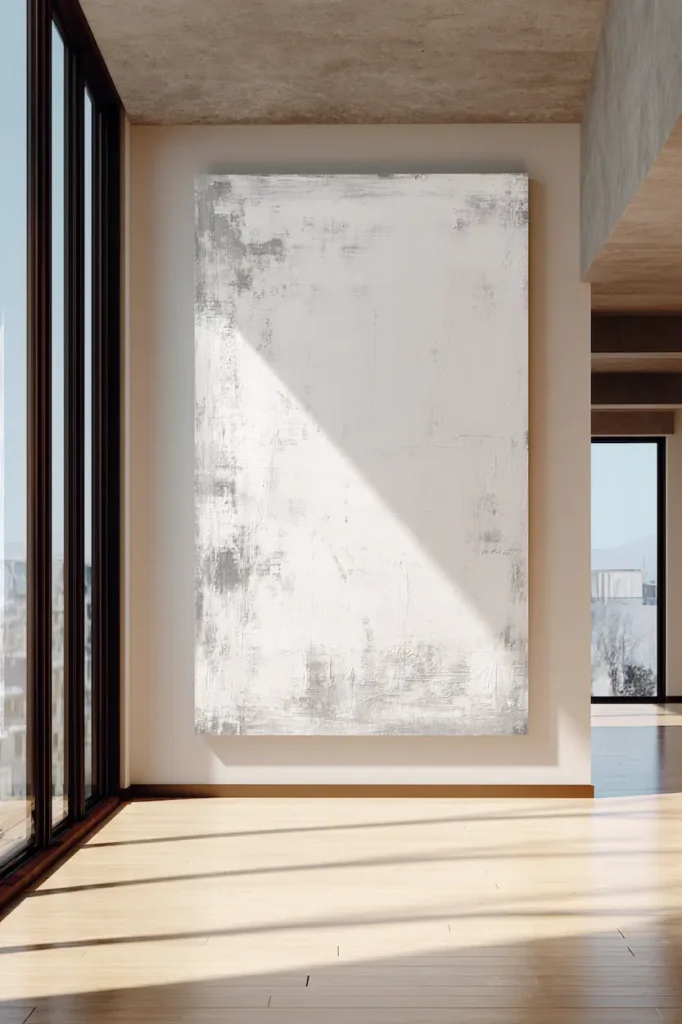
For beginners, a single statement piece is often the most elegant starting point.
One artwork:
- clarifies the mood
- simplifies decisions
- creates instant focus
It allows you to feel how art interacts with your space.
Large art doesn’t overwhelm when it’s intentional.
It calms the room by resolving visual tension.
If the wall feels big, the art should answer it confidently.
Silence paired with presence is powerful.
Spacing is what makes wall art feel intentional
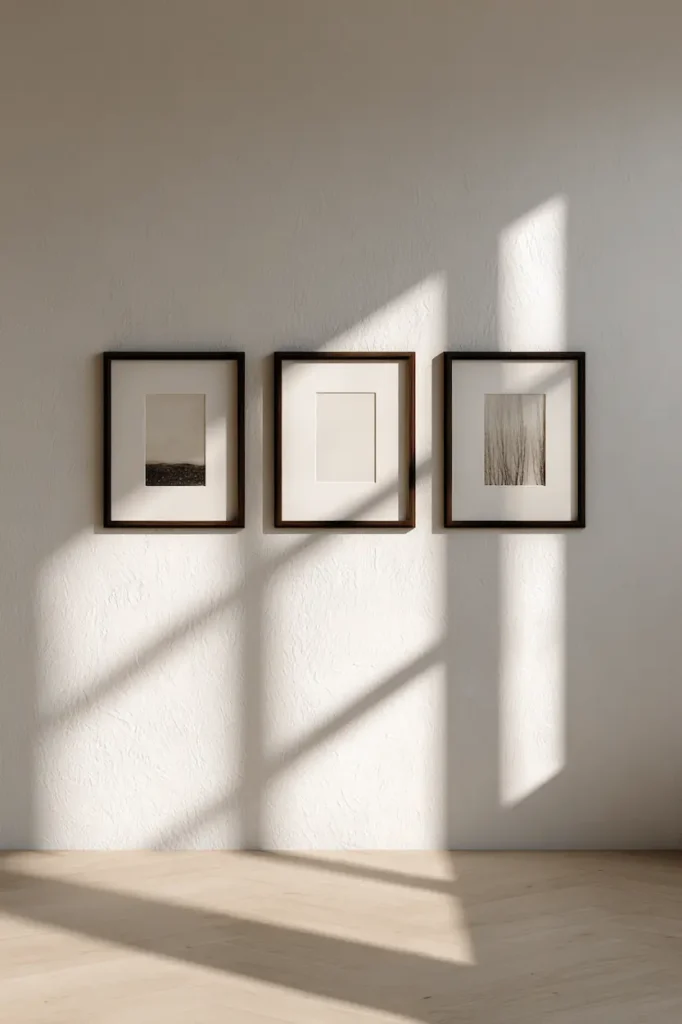
Art needs air.
When pieces are too close, the wall feels nervous.
When too far apart, it feels disconnected.
Think in rhythms, not measurements.
Your eyes should move comfortably from one piece to the next without jumping.
Spacing creates:
- calm
- cohesion
- visual flow
If you’re unsure, step back.
Look at the wall from across the room.
Your body often understands balance before your mind does.
Wall art should echo the room, not compete with it
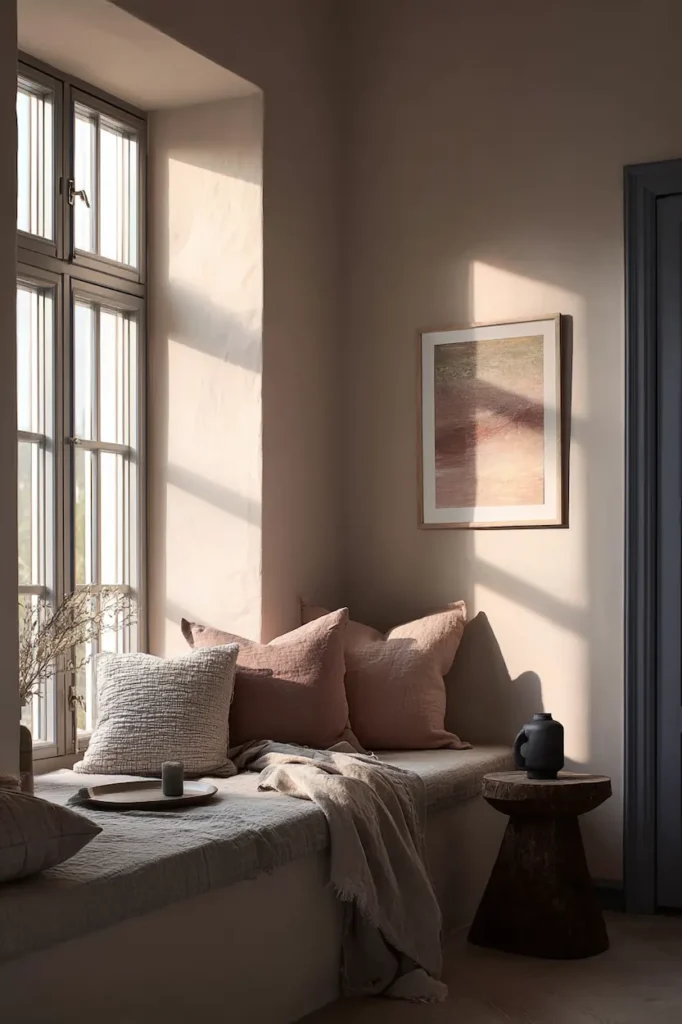
The most harmonious walls don’t shout.
They resonate.
Look at the colors already present:
- textiles
- wood tones
- light quality
Your art doesn’t need to match.
It needs to belong.
A neutral room loves subtle contrast.
A bold room needs moments of rest.
When art echoes a feeling already in the space, the wall feels inevitable — like it was always meant to be there.
Frames matter more than beginners expect
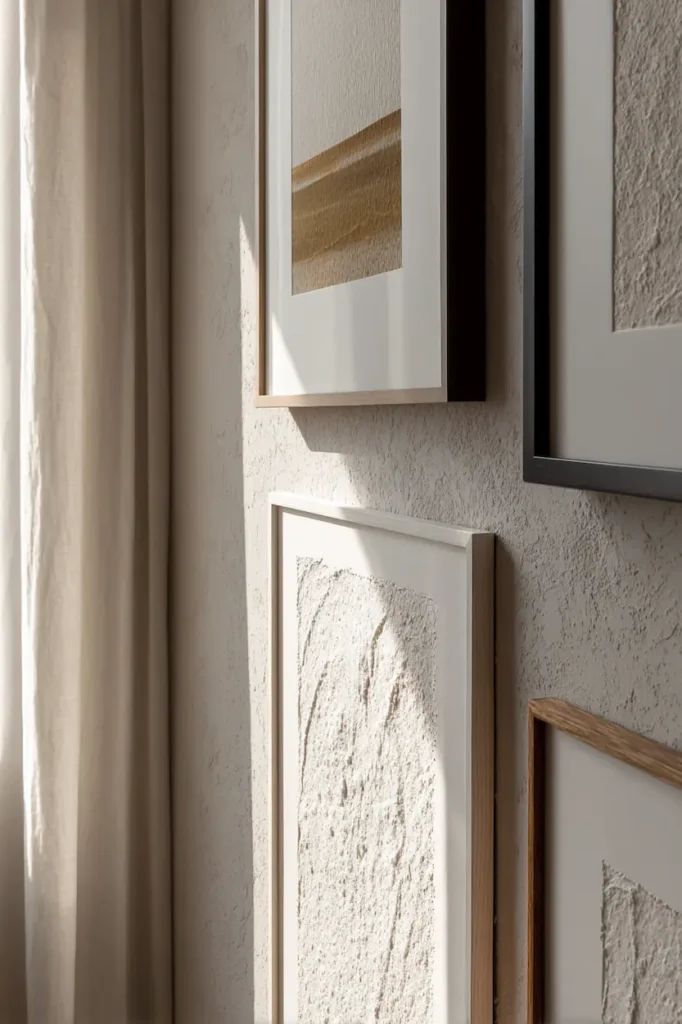
The frame is not an accessory.
It’s a boundary.
Thin frames feel light and modern.
Thick frames feel grounded and architectural.
No frame at all feels intimate and raw.
Consistency matters when you hang multiple pieces.
Variation works best when it’s intentional.
The frame decides whether the art whispers or speaks.
Trust distance before final decisions
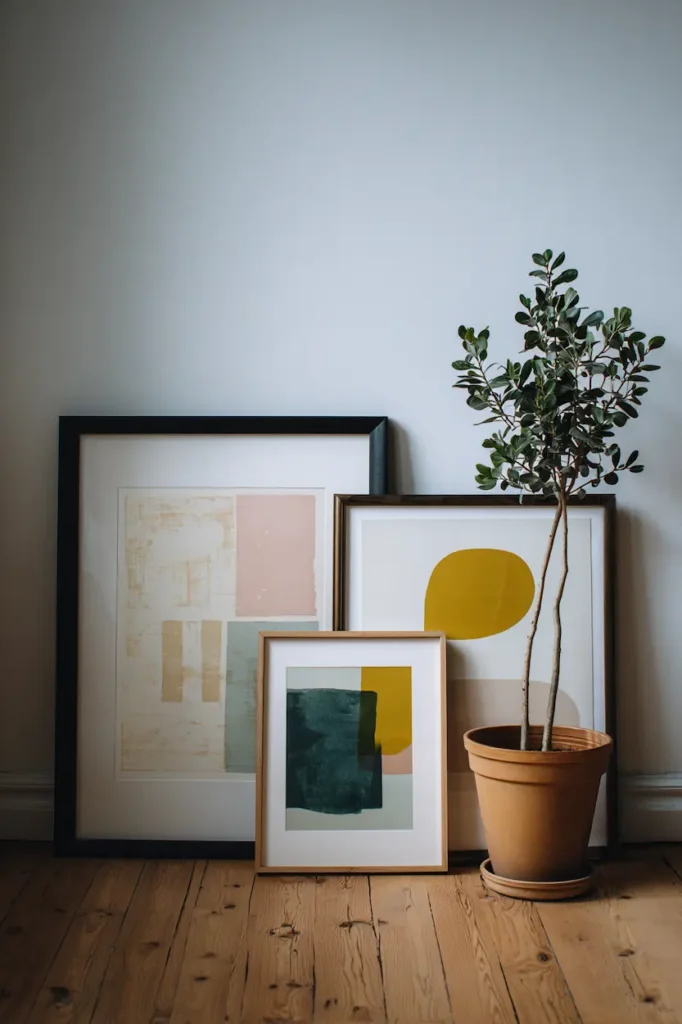
Before committing:
- place the art against the wall
- lean it
- live with it for a moment
Walk past it.
Sit down.
Let your eyes adjust.
Walls reveal their preferences slowly.
Sometimes moving a piece just a few centimeters changes the entire energy of a room.
There is no rush when creating something that lives with you.
Hanging wall art is about feeling, not perfection
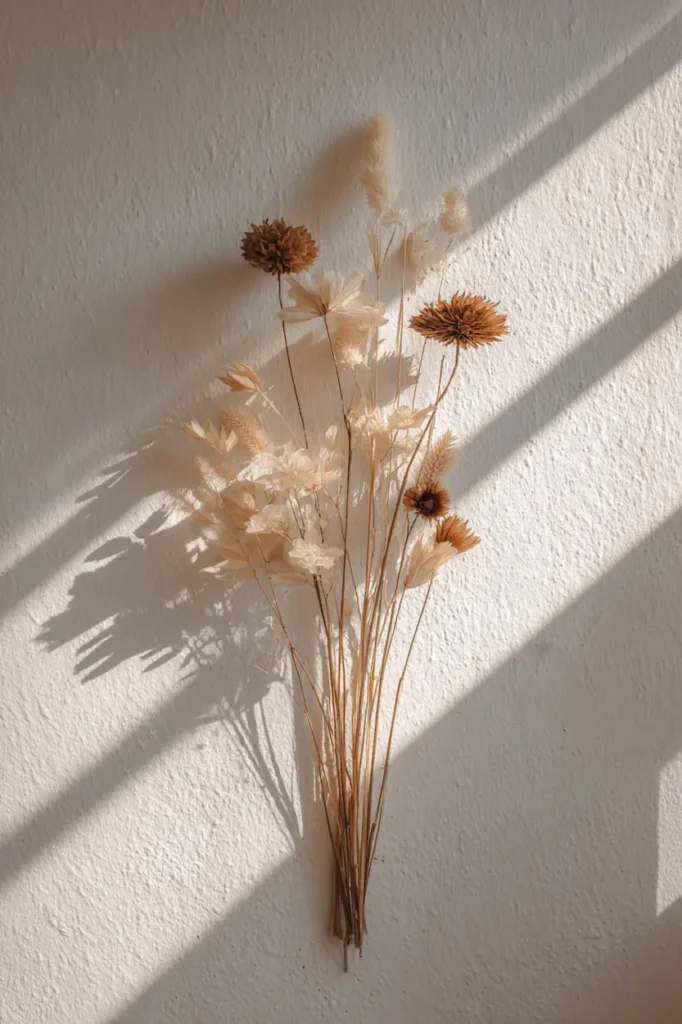
Perfect symmetry is optional.
Alignment is emotional, not mathematical.
If the wall feels calm, you succeeded.
If it draws you in, you did it right.
Beginners often look for permission.
But walls don’t ask for approval — they respond to attention.
The more you listen, the clearer your choices become.
FAQ – Hanging Wall Art for Beginners
How do I know if my wall art is too high?
If it feels disconnected from the room, it probably is. Art should feel visually reachable, not distant.
Is it okay to hang just one piece on a large wall?
Yes. A single, confident piece can bring more balance than multiple uncertain ones.
Do all frames need to match?
Not always. What matters is consistency in feeling, not identical materials.
What if I’m afraid of making a mistake?
Walls are forgiving. Art can always move. Trust experimentation.
A wall is never just a wall
It holds light.
Shadows.
Moments you walk past every day.
Hanging wall art isn’t about decoration.
It’s about recognition.
The moment you stop seeing your wall as empty
and start seeing it as expressive,
everything changes.
And once you notice that shift,
you’ll never look at your walls the same way again.
If you’re still deciding what kind of artwork to hang, consider whether DIY prints could fit your style. Creating your own pieces allows for flexibility in color, size, and mood. Our guide on printing wall art at home walks you through the process step by step.