
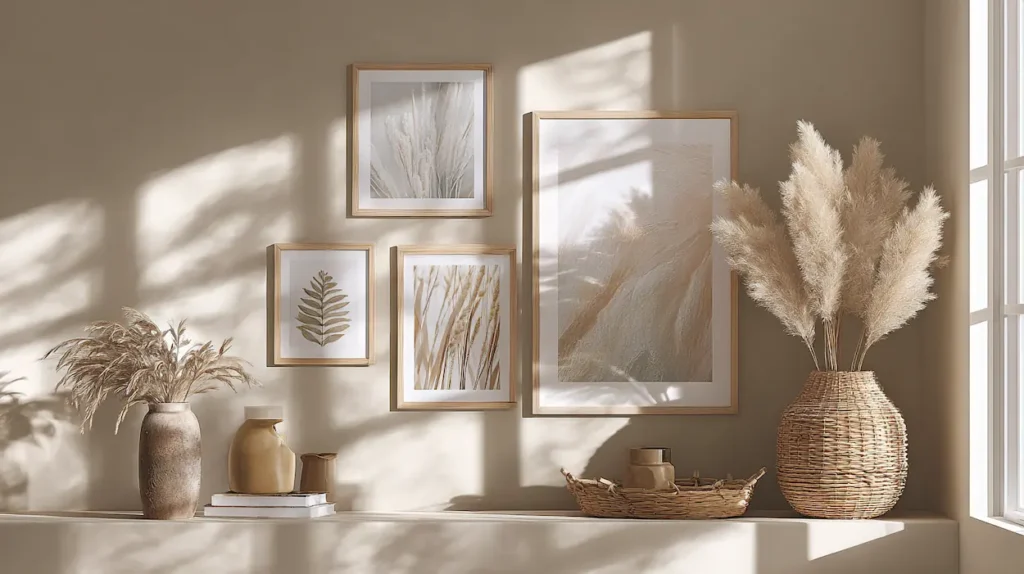
You don’t need more art.
You need the right size.
Because the same printable wall art can feel polished, intentional, gallery-worthy…
or oddly small, visually lost, slightly off — just by choosing the wrong format.
Printable wall art sizes are not technical details.
They are perception tools.
Different sizes change how a wall breathes, how a room feels anchored, how the eye moves when you enter.
Below, you’ll see how A4, A3, 11×14, and 16×20 each shape space differently —
so your choice feels obvious, not hesitant.
Printable wall art sizes define how a wall speaks
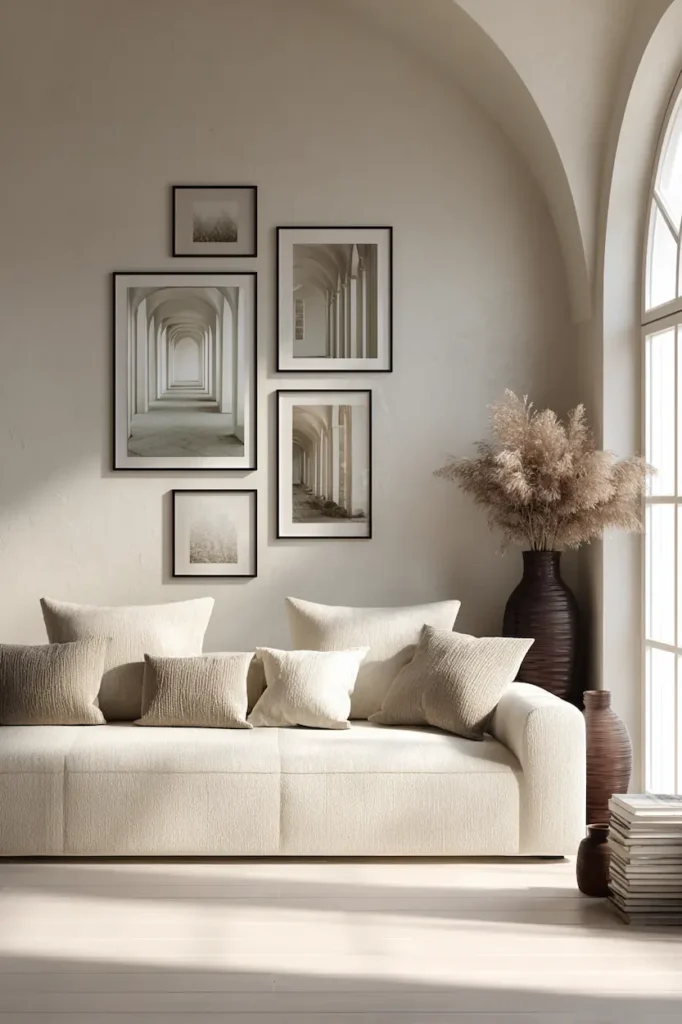
Before comparing numbers, let’s talk about presence.
A wall doesn’t ask for decoration.
It asks for scale harmony.
Printable wall art sizes act like volume controls:
- too small → the wall dominates
- too large → the art overwhelms
- just right → the room exhales
Each size sends a different signal.
A4 printable wall art brings quiet rhythm to small spaces
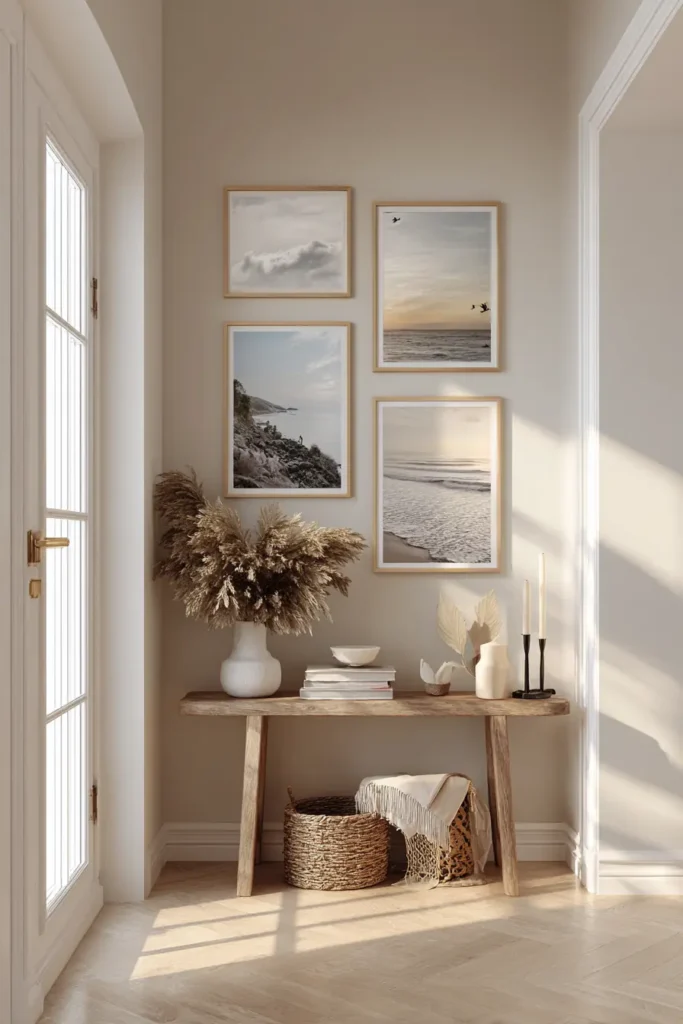
A4 (8.3 × 11.7 in / 21 × 29.7 cm) is intimacy.
It doesn’t command a wall — it punctuates it.
This size works when:
- the wall is narrow or transitional
- the art is meant to be discovered, not announced
- you want repetition instead of dominance
A4 shines in:
- hallways
- bedside walls
- layered gallery grids
- shelves and ledges
Visually, A4 feels:
- personal
- editorial
- calm
It’s not empty.
It’s restrained.
A3 printable wall art creates balanced visual weight
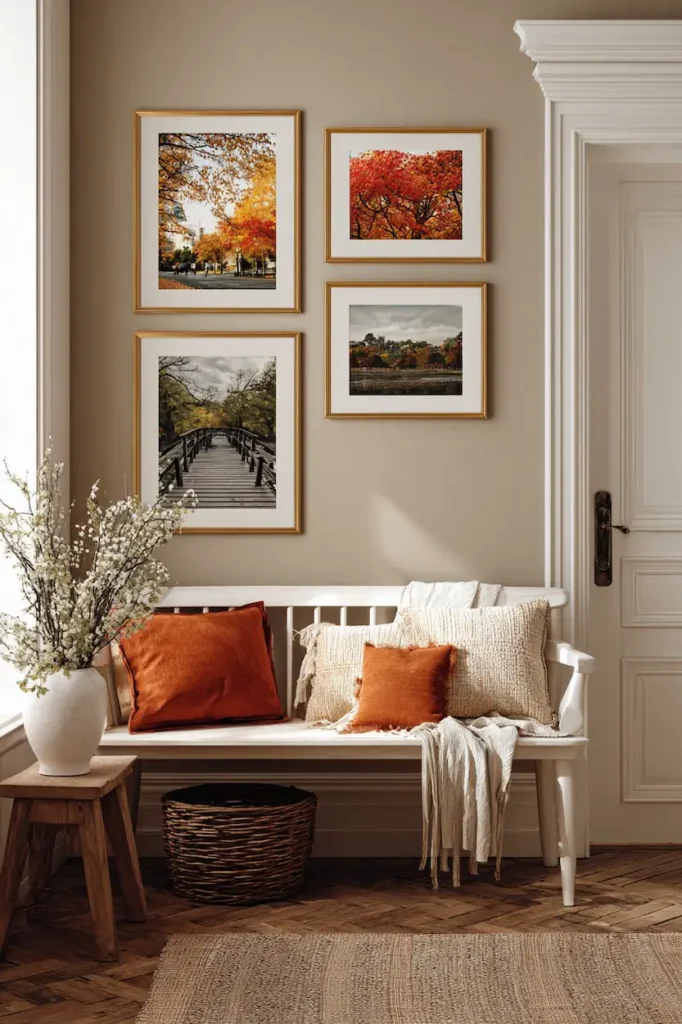
A3 (11.7 × 16.5 in / 29.7 × 42 cm) is the most versatile printable wall art size.
It’s large enough to matter.
Small enough to stay flexible.
This size naturally:
- anchors a wall without overpowering it
- works alone or in pairs
- feels intentional without being loud
A3 is ideal for:
- living rooms
- home offices
- above consoles or desks
- minimalist interiors
Visually, A3 feels:
- balanced
- confident
- architecturally correct
If you’re unsure, A3 rarely disappoints.
11×14 printable wall art fits perfectly into classic interiors
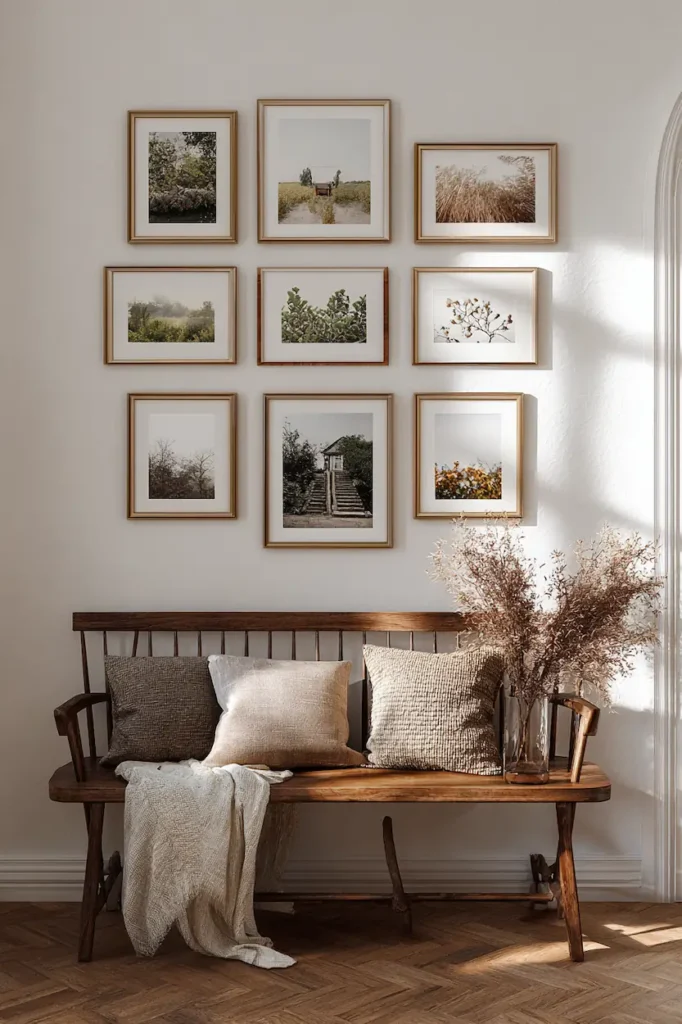
11 × 14 inches sits right between modern and traditional.
It’s especially loved in regions where imperial sizing dominates.
This format:
- aligns perfectly with standard frames
- integrates smoothly into gallery walls
- pairs well with photography and illustration
11×14 works best when:
- you want familiarity
- the space already has visual texture
- frames matter as much as the art
Visually, it feels:
- composed
- timeless
- curated rather than styled
It doesn’t try to be trendy.
That’s exactly why it works.
16×20 printable wall art transforms a wall into a statement
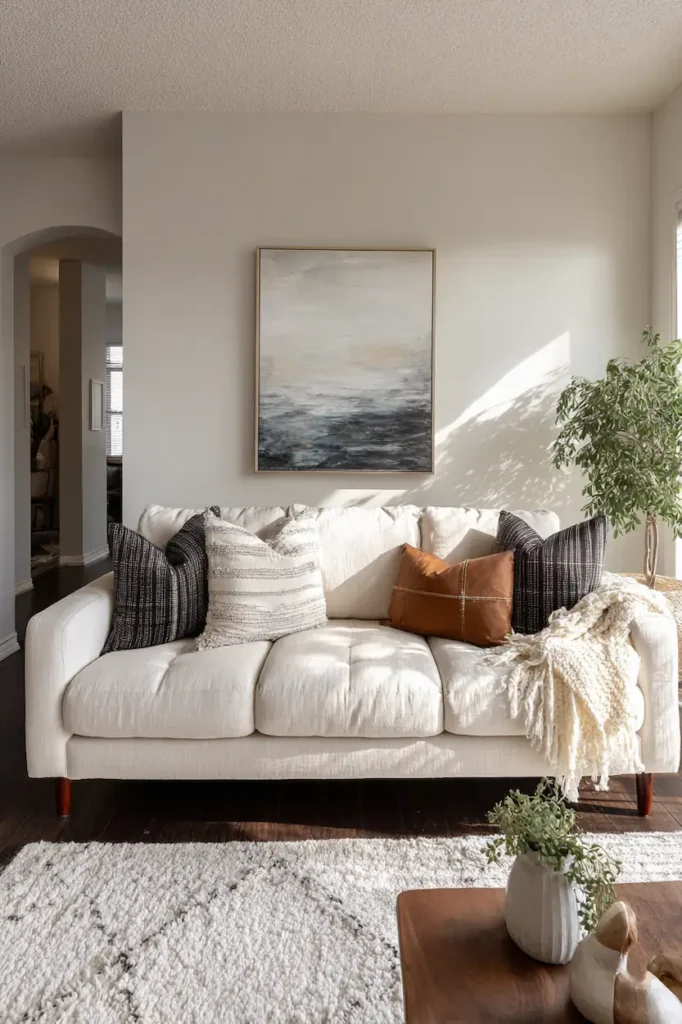
16 × 20 inches changes the energy immediately.
This is not decoration.
This is presence.
It’s the size you choose when:
- the wall feels empty
- furniture needs grounding
- the room lacks a focal point
16×20 excels:
- above sofas
- over beds
- in dining rooms
- on large blank walls
Visually, it feels:
- bold
- intentional
- grounding
One well-chosen 16×20 can replace an entire gallery wall.
Practical Design Tips
What actually works (and why)
1. Match size to wall, not taste
Your favorite design still fails if it’s underscaled.
2. Let furniture dictate scale
Art above furniture should be ⅔ to ¾ the width of what’s below it.
3. Start larger than you think
Most walls feel empty because the art is too small — not because the wall needs more pieces.
4. Mix sizes with hierarchy
Use:
- 16×20 as anchor
- A3 as structure
- A4 as rhythm
5. Frame depth matters
Larger prints need breathing room. Thin frames can make big art feel flimsy.
Common mistakes to avoid
- Printing A4 for large walls
- Using one size everywhere
- Ignoring negative space
- Treating art like stickers instead of architecture
FAQ
Which printable wall art size is best for beginners?
A3. It’s forgiving, versatile, and visually stable.
Can I mix A-sizes with inch-based sizes?
Yes — if you create hierarchy and don’t place them edge-to-edge.
Is 16×20 too big for small apartments?
No. One large piece often feels calmer than many small ones.
Should I choose size before the artwork?
Always. Scale first, style second.
Conclusion
Printable wall art sizes don’t just fill walls.
They shape atmosphere.
When size aligns with space, the room stops asking questions.
It feels settled. Finished. Human.
Save this guide — not as rules,
but as a visual compass for every wall you’ll meet.
If you want to ground your choices before playing with sizes, this printable wall art basics guide explains how it actually works.